English
 عربى
عربى
Water finds the weak point of every ordinary bandage sooner or later. You wash your hands after cooking, reach into a sink full of dishes, or step under the shower, and the edges lift. Before long the adhesive loosens, moisture creeps underneath, and the wound sits in a damp pocket that irritates the skin and slows healing. Buying a plaster labelled "waterproof" often changes nothing, because the real weakness is not the film — it is the adhesive. Manufacturers use the same wording on very different products, which makes comparisons difficult without understanding what actually keeps a dressing attached.
The conclusion is straightforward: a transparent waterproof silicone band-aid addresses the root cause. Its medical-grade silicone gel keeps the dressing in place when water is present, while the clear film keeps the wound visible and the appearance discreet. The rest is a question of what exactly to look for.
Content
- 1 What Makes a Bandage Both Transparent and Waterproof
- 2 Why Silicone Gel Beats Acrylic When Water Is Involved
- 3 What to Check Before You Buy a Transparent Waterproof Silicone Band-aid
- 4 Where a Transparent Waterproof Silicone Band-aid Earns Its Place
- 5 Why the Manufacturer Matters as Much as the Adhesive Formula
- 6 The Practical Takeaway
What Makes a Bandage Both Transparent and Waterproof
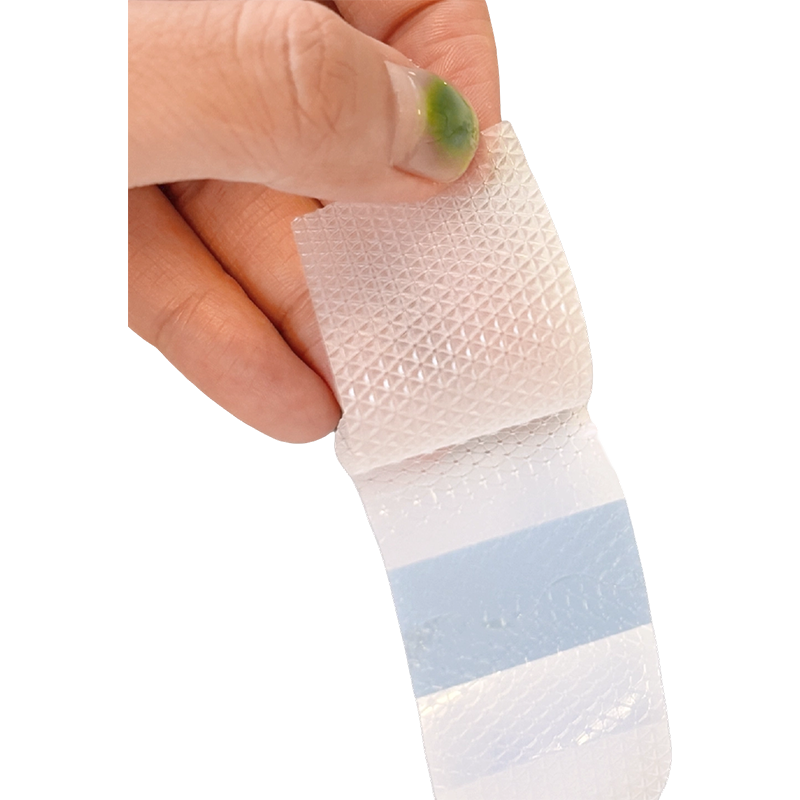
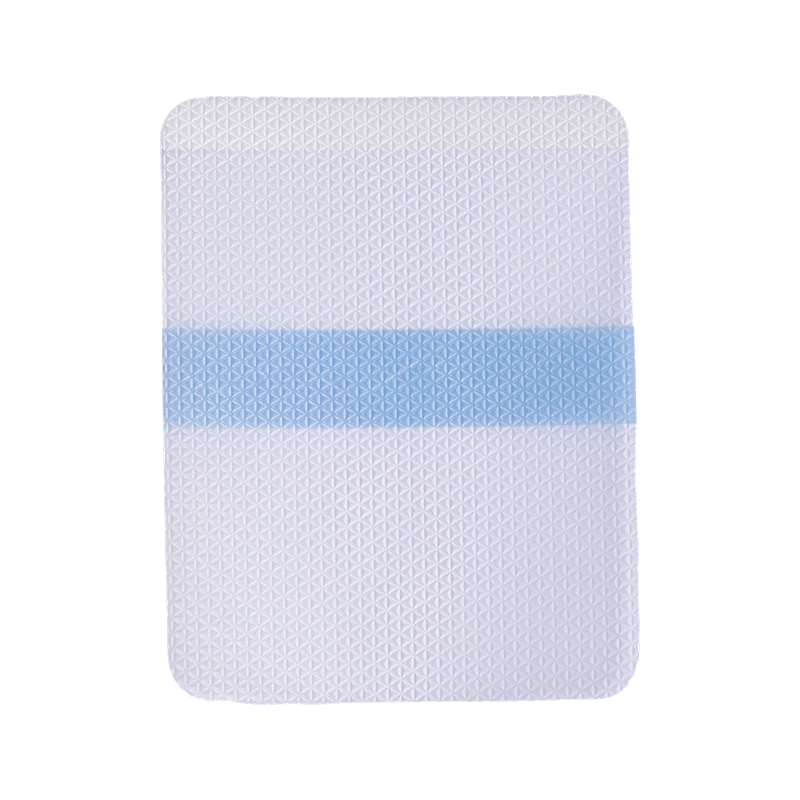
Two components decide whether a bandage performs as promised. The backing film — usually clear polyurethane — gives transparency, conformability, and a barrier against external water. The adhesive layer determines how long that barrier stays sealed and how gently the dressing comes off. In a transparent waterproof silicone band-aid, the backing is a thin, low-haze PU film that flexes with the skin and is barely noticeable at a distance. The harder technical problem is the adhesive.
On a bandage label, "waterproof" does not mean a permanently sealed membrane. It means the dressing resists water ingress during the normal events of a day — hand washing, showering, cooking, small splashes — long enough to protect the wound until you decide to change it. Silicone gel suits this job because it stays tacky even when wet, whereas acrylic adhesive softens and releases as water reaches the bonding interface. That is why clinicians are increasingly choosing silicone systems across medical tapes and dressings, and the reasoning is explained in detail in our review of why clinicians prefer silicone medical tapes.
Transparency also has a functional side. Being able to see the wound without lifting the dressing means you can check for redness, swelling or bleeding at a glance. This is why clear materials are common in hospital dressings — and the same logic applies at home when a cut needs daily observation.
For everyday use, STIC Shanghai's transparent waterproof silicone band-aid combines a clear PU film with medical-grade silicone gel, so the dressing remains discreet and stays in place through routine water contact instead of peeling at the edges.
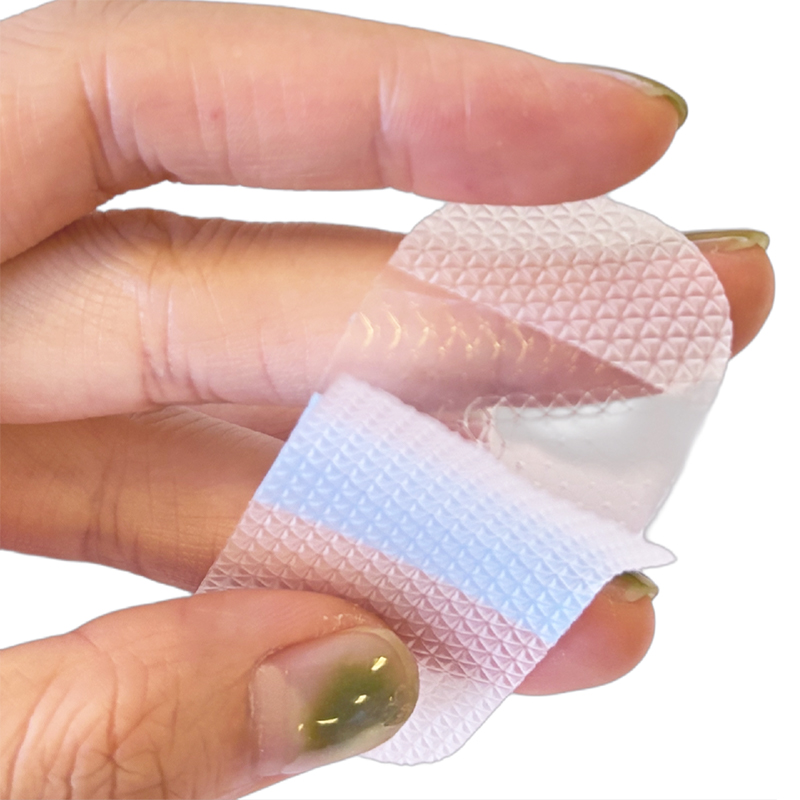 Transparent Waterproof Silicone Band-aid Manufacturers, SuppliersAs China Transparent Waterproof Silicone Band-aid Manufacturers and Transparent Waterproof Silicone Band-aid Suppliers, STIC offer Transp...View Product →
Why Silicone Gel Beats Acrylic When Water Is Involved
Acrylic adhesives bond strongly to dry skin, which is why they feel secure in the packet. The moment water reaches the adhesive layer, the bond loses strength. The edges curl, the bandage slides, and flexion of a finger or ankle accelerates the failure. Silicone behaves differently: its polymer structure is inherently water-resistant, and the gel maintains its grip even with moisture present. The table below summarises the practical differences.
| Property | Silicone gel | Acrylic adhesive |
|---|---|---|
| Wet adhesion | Maintains a secure hold during hand washing and showering | Tack drops sharply once water reaches the adhesive |
| Removal | Peels off gently with minimal pain and no residue | Often pulls hair and skin; sticky residue is common |
| Skin compatibility | Hypoallergenic, suitable for sensitive or fragile skin | Contact irritation increases with wear time |
| Breathability | Allows moisture vapour to escape through the gel and film | Lower vapour transmission can over-hydrate the wound |
| Repositioning | Can be lifted and re-applied shortly after placement | Repositioning is difficult once bonded |
For anyone with easily irritated skin, the removal profile alone is a good reason to switch. No adhesive residue and no skin stripping mean the wound area stays clean, which is exactly what a healing site needs when a dressing is changed two or three times a day.
In practice, the difference shows up quickly. A silicone-based waterproof bandage can remain in place for 24 to 72 hours on a clean, dry wound, depending on the body site and activity level. An acrylic adhesive exposed to repeated hand washing often lifts within hours, and prolonged contact with water can turn the adhesive white and roll it into uncomfortable bits. Replacement frequency matters for cost too: a dressing that has to be changed several times a day is more expensive than a slightly pricier one that stays put.
What to Check Before You Buy a Transparent Waterproof Silicone Band-aid
Whether you are stocking a home first-aid kit, ordering for a pharmacy or clinic, or sourcing for a private-label brand, the same checks separate a reliable product from a disappointment.
Confirm the Adhesive Is Medical-Grade Silicone
Not every silicone adhesive is suitable for broken skin. Medical-grade silicone gel must have documented biocompatibility, controlled extractables, and a balanced peel force — too much tack damages healing tissue, too little lets the bandage fall off mid-shower. Ask the supplier for specifications and test results before committing to a larger order.
Verify the Production Environment and Certifications
A bandage that touches an open wound should be manufactured in a controlled environment. STIC Shanghai produces its silicone bandages in a 100,000-class GMP cleanroom spanning more than 5,000 m², and its products meet ISO, CE and FDA requirements. For distributors and clinical buyers, written documentation of these points matters as much as the product sample.
Check Breathability, Film Quality and Real Water Resistance
Look for a low-haze PU film that conforms to joints without creasing, and ask for the moisture vapour transmission rate of the complete system. A fully occlusive dressing traps moisture against the wound; a breathable one protects without causing maceration. Practical tests — wear the bandage during a hand wash and a ten-minute shower — tell you more than any label claim.
- Ask for the MVTR value of the film and adhesive system.
- Request peel-force data on normal and damp skin.
- Confirm the gel leaves no residue after 24, 48 and 72 hours of wear.
- Verify batch-to-batch consistency through the manufacturer's quality system.
Budget is another factor. The cheapest transparent plasters on the shelf are almost always acrylic-based, and their true cost appears in frequent replacement, skin irritation and delayed healing. A medical-grade silicone bandage costs more per unit but typically stays on longer and removes cleanly, which reduces the total cost of each healing episode. Distributors building a clinical catalogue will recognise the same material specifications covered in our distributor-focused analysis of silicone gel dressings, where waterproofness and skin safety carry equal weight.
Where a Transparent Waterproof Silicone Band-aid Earns Its Place
In the Kitchen and Daily Routine
Small cuts, minor burns and fingernail injuries happen during everyday tasks that involve water. A transparent waterproof silicone band-aid stays on through frequent hand washing, so the wound is not constantly re-exposed and the dressing does not need to be replaced two hours after it is applied. Parents who have re-dressed the same scrape twice a day will appreciate a bandage that survives a child's hand washing and removes without making them cry.
In Clinical and Hospital Care
Transparency is a genuine advantage in clinical settings. IV insertion points, small surgical incisions and post-suture sites need to stay visible so that staff can monitor skin colour and leakage without removing the dressing. For clinical teams covering IV sites or small wounds, a PU transparent silicone waterproof patch offers the same silicone adhesive technology with a larger coverage area.
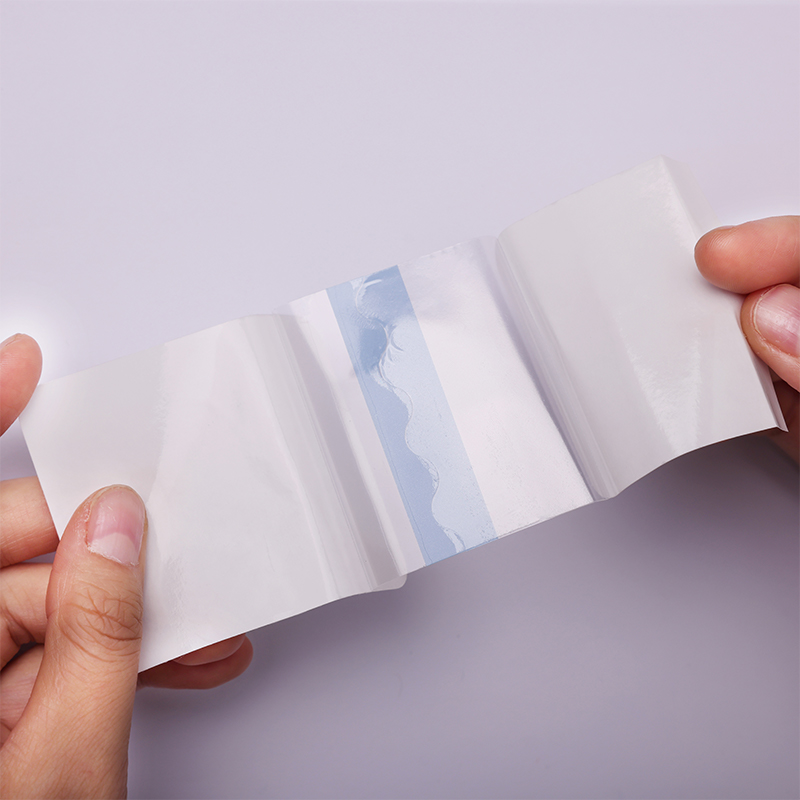 PU Transparent Silicone Waterproof Patch Suppliers, Wholesale Factory - STIC (ShSTIC (Shanghai) Co., Ltd. is China PU Transparent Silicone Waterproof Patch Suppliers and Factory, Wholesale PU Transparent Silicone Wate...View Product →
During Sports and Travel
Blisters on heels, toe friction and chafing from seams are common among runners and hikers. A waterproof silicone bandage protects the area through post-training showers and sweat exposure, while the gentle adhesive causes less pain when the dressing is peeled off at the end of the day. Travellers benefit from the same reliability when access to a pharmacy is not guaranteed.
Why the Manufacturer Matters as Much as the Adhesive Formula
Silicone adhesive formulation is a specialised discipline. Crosslinking density, polymer molecular weight, additives and coating thickness all influence how the bandage feels, how firmly it grips, and how safely it releases. A manufacturer that merely assembles finished products has no control over these variables. STIC Shanghai is a technology-driven manufacturer focused on medical-grade silicone gel adhesives, with an in-house R&D team in polymer materials and pharmaceutics and multiple patents behind its products.
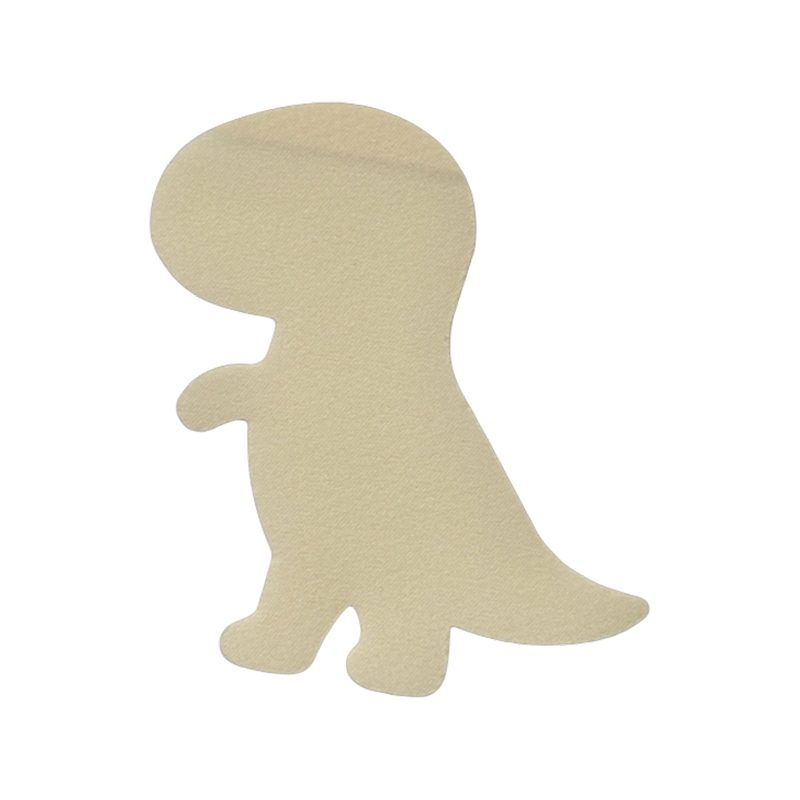
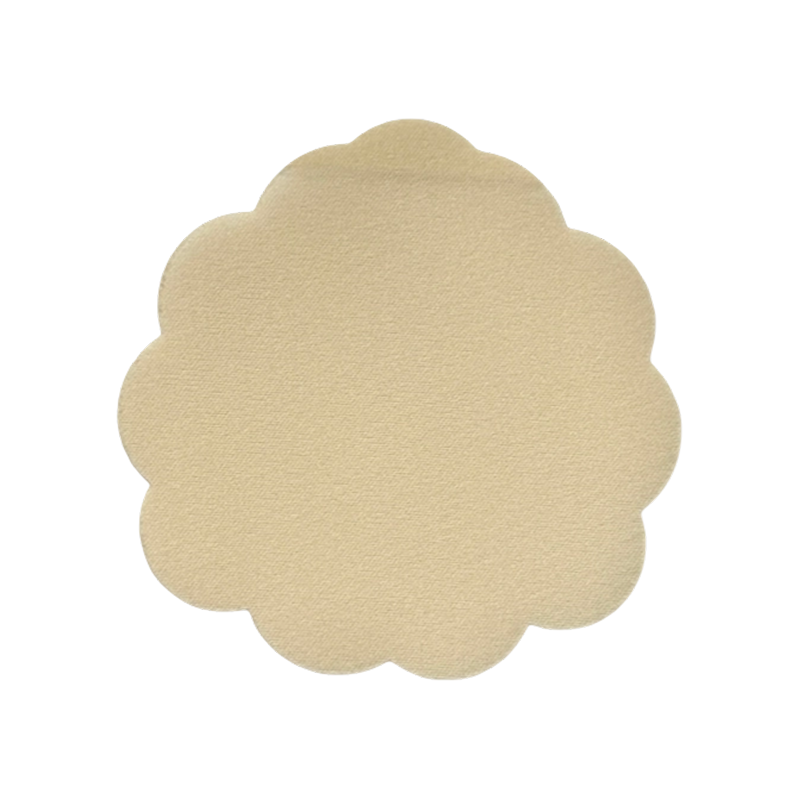
For OEM/ODM partners developing their own wound-care range, a silicone waterproof sheet provides the base material to test shapes, laminates and packaging before the final bandage design is locked in. Because STIC controls formulation and production in-house, it can adjust adhesion levels, film thickness and shape — from a thin everyday bandage for children to a higher-tack fixation dressing for hospital use.
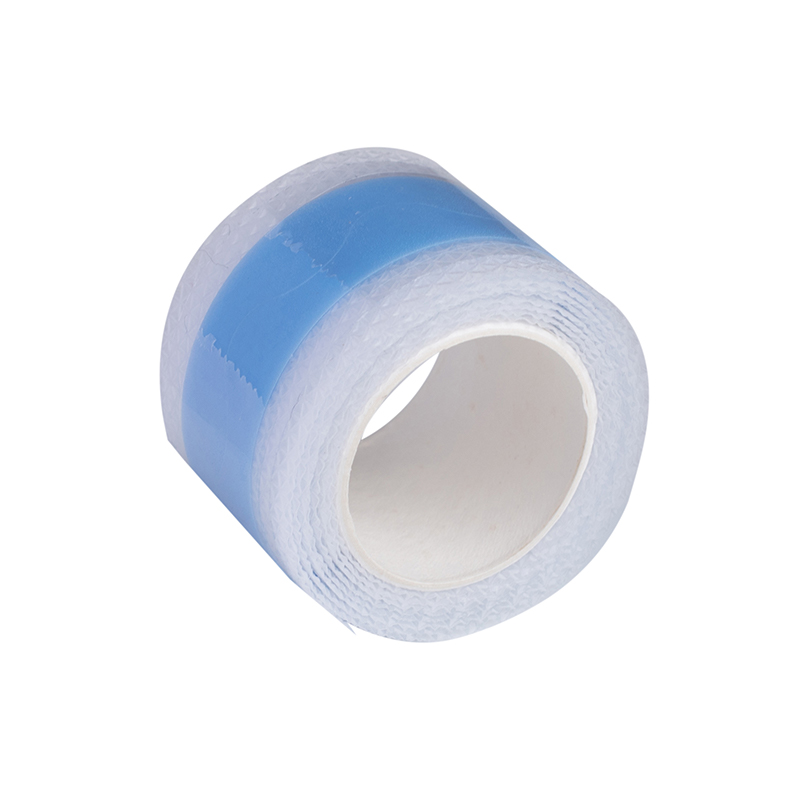 Silicone Waterproof Sheet Suppliers, Wholesale Factory - STIC (Shanghai) Co., LtSTIC (Shanghai) Co., Ltd. is China Silicone Waterproof Sheet Suppliers and Factory, Wholesale Silicone Waterproof Sheet for sale, Seal It...View Product →
For distributors, batch consistency is the hidden requirement. A bandage that performs well in one shipment and fails in the next damages trust faster than any pricing discount. Manufacturing in a GMP cleanroom with documented quality control keeps the performance of each batch predictable.
The Practical Takeaway
If you need a bandage that survives hand washing, resists water without trapping it against the wound, and comes off without pulling skin or leaving residue, the adhesive system is the deciding factor. A transparent waterproof silicone band-aid delivers all three properties in one product. For home first-aid cabinets, clinic supply orders or private-label development, the decision is straightforward: choose silicone adhesive, and verify the manufacturer behind it.